


In a stunning diplomatic twist following months of devastating conflict, the United States and Iran have inked a preliminary 14-point memorandum of understanding aimed at ending the 2026 war.
President Trump hailed it as a “win-win,” with the deal lifting the U.S. naval blockade, reopening the critical Strait of Hormuz for oil traffic, and kicking off 60 days of tougher negotiations on Iran’s nuclear program.
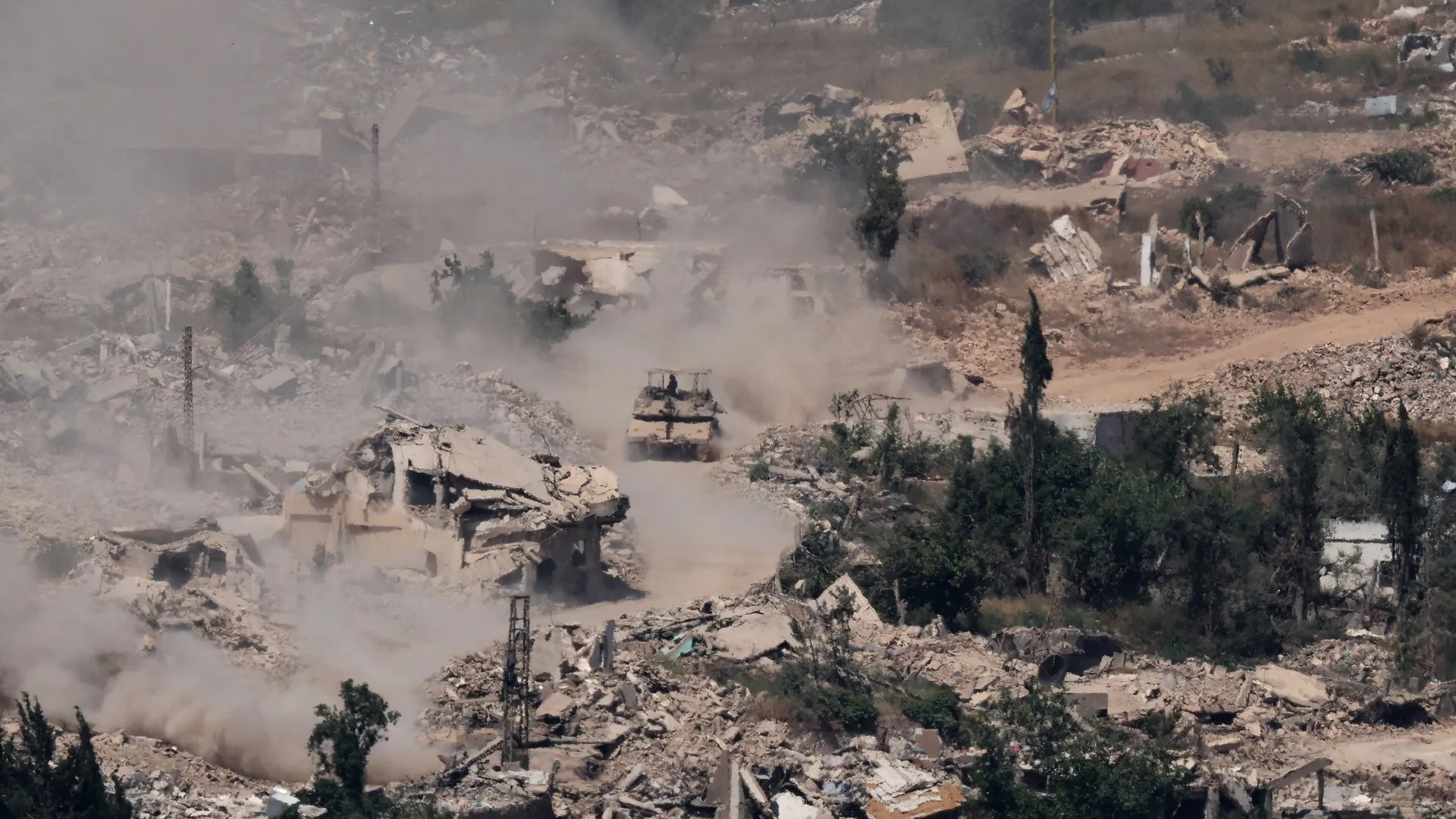
But today, fresh cracks are showing. Israeli strikes in southern Lebanon have killed dozens, prompting a reported new ceasefire agreement between Israel and Hezbollah — even as attacks continued and U.S.-Iran follow-up talks in Switzerland were postponed.
Iran is warning that ongoing Israeli operations in Lebanon could derail the broader deal, while the U.S. urges restraint.
Flashpoints igniting:
- Hormuz drama: Iran had threatened (and partially enacted) closures of the vital chokepoint, spiking global oil prices. The framework deal aims to stabilize energy flows, but trust remains razor-thin.
- Netanyahu vs. Trump: Israel is furious over concessions to Tehran, with PM Netanyahu facing domestic backlash as the U.S. pushes for de-escalation.
- Casualties and fallout: The war, which escalated dramatically earlier this year with U.S.-Israeli strikes (including on Iranian leadership targets), has left thousands dead and the region scarred. A full, lasting peace is still far from guaranteed.
https://www.bbc.com/news/topics/cx2jyv8j8gwt
Markets are watching nervously — oil prices fluctuated on the news, while global powers hold their breath. Will this framework hold, or will Lebanon spark round two? The coming days could decide the fate of the Middle East’s uneasy new order. Stay tuned — this story is developing fast.