



Egypt uncovers lost Byzantine-era city in the western desert – CBS News
The fourth-century residential city in the western desert is one of two major archaeological finds announced by Egypt on Saturday.
A well-preserved Byzantine-era residential city in the western desert is one of two major archaeological finds announced by Egypt on Saturday.
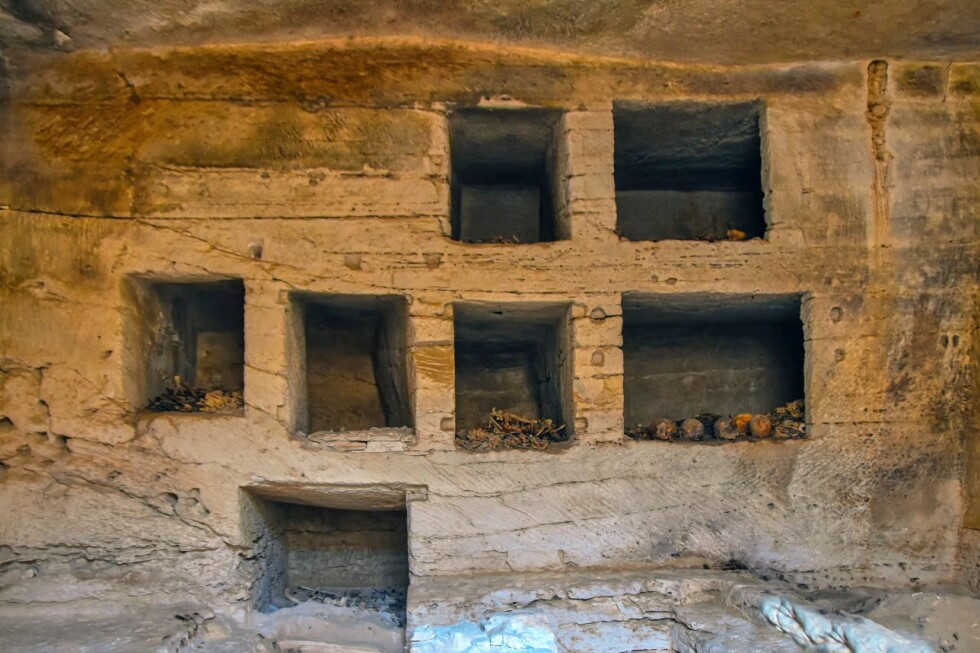
The recent discoveries at the Dakhla Oasis and at the Marina el-Alamein archaeological site, near Alexandria, are the latest findings that the Egyptian government hopes will boost the country’s vital tourism sector, partially driven by antiquities sightseeing.
Archaeologists also recently uncovered human remains and a myriad of artifacts in part of a Greco-Roman cemetery that dates back more than 2,300 years. The complete skeletal remains of two wild boars, a rare find at ancient Egyptian funerary sites, were found. At the time, boars were known as Seth (or Set), a deity associated with chaos and violence in ancient Egyptian mythology.
Along with the strategic Suez Canal, tourism is a major source of foreign currency in the cash-strapped country.